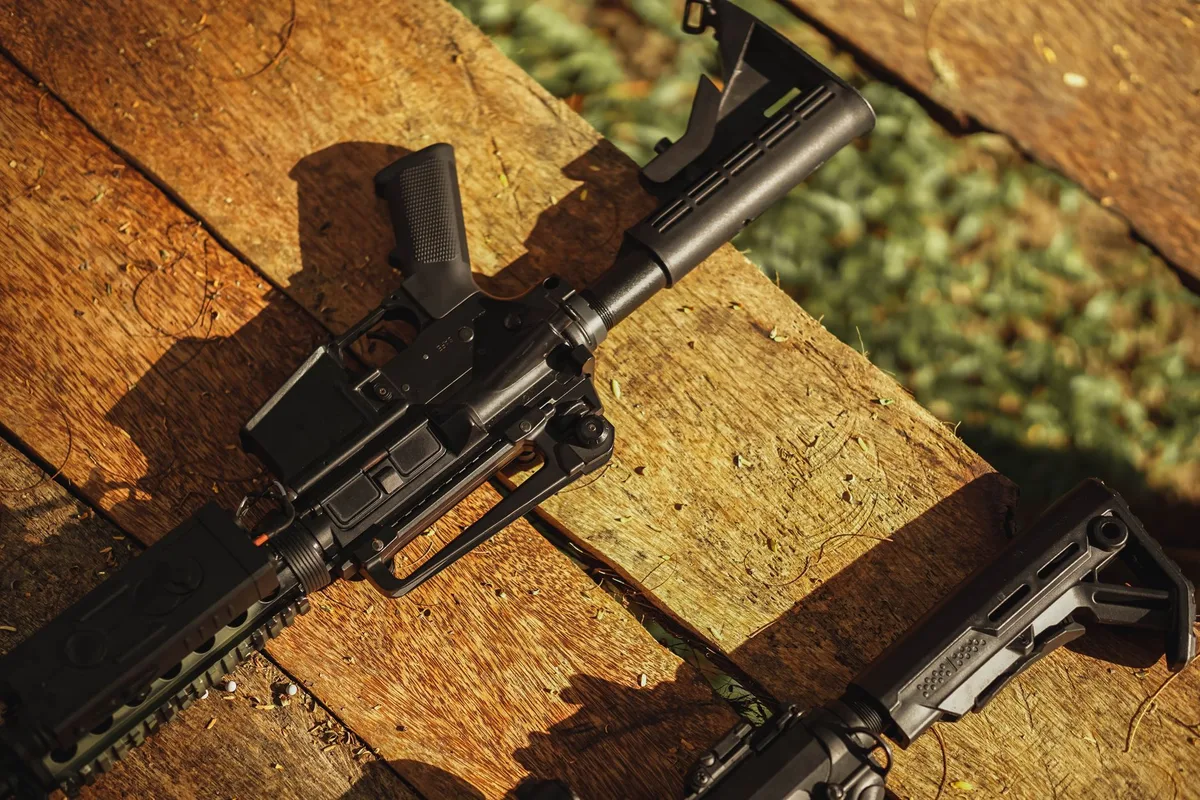
Gunsmithing
Barrel threading: what to know before you thread a barrel
3 min read
Threading a barrel sounds simple. Cut some threads on the end, screw on a muzzle device, done. In practice it is one of the jobs where the difference between right and almost right shows up every time you pull the trigger.
Here is what goes into it, and what to think about before you hand a barrel over.
Why people thread a barrel
A threaded muzzle lets you attach a device to the end of the barrel. The common ones:
- Muzzle brakes, which redirect gas to cut recoil.
- Compensators, which help keep the muzzle from climbing.
- Flash hiders, which reduce the flash you see at the muzzle.
Some owners thread a barrel with a specific device in mind. Others just want the option later, with a thread protector on in the meantime.
The threads have to run true to the bore
This is the part that matters most. The threads have to be cut so they line up with the bore, the hole the bullet travels down, not just with the outside of the barrel.
The outside of a barrel is not always perfectly centered on the bore. If the threads are cut off the outside, the device can end up sitting a little off-center. With a brake or compensator, that can mean uneven gas flow. With anything that has a tight bore opening, a device that is off-center is a real problem.
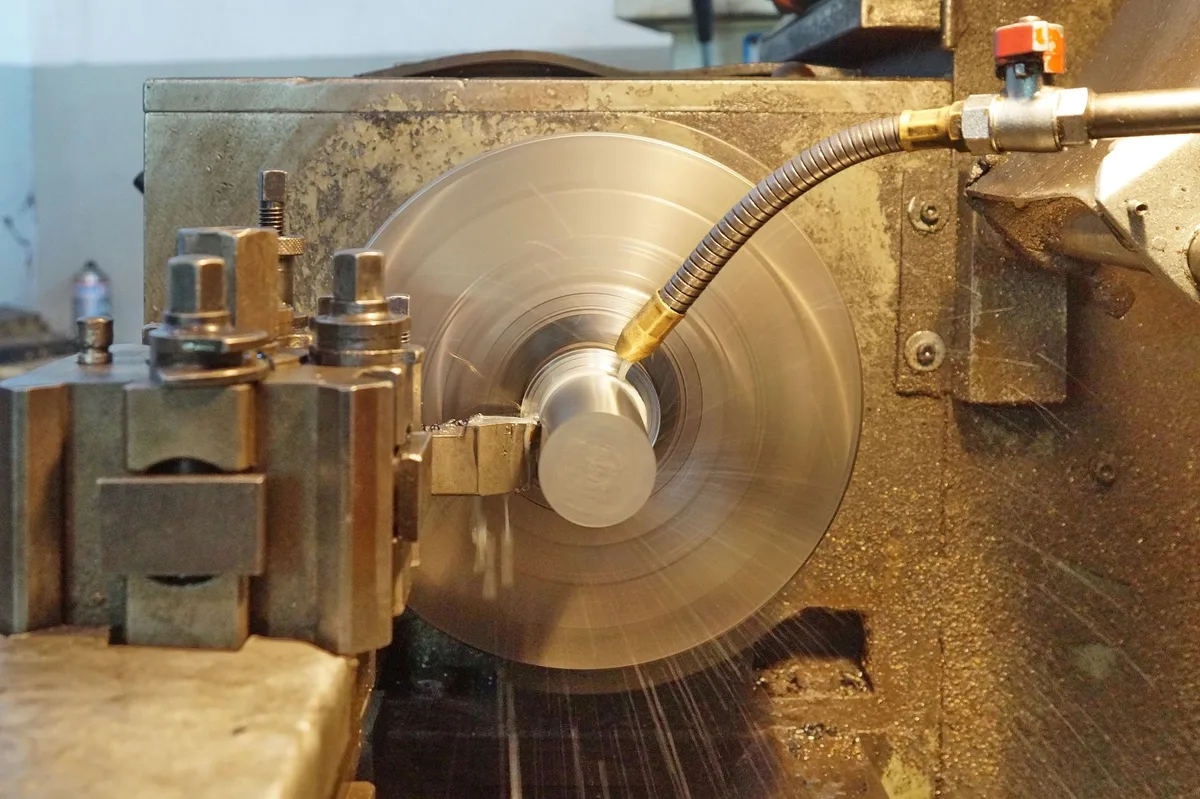
Doing it right means setting the barrel up in a lathe and indicating off the bore before a single thread is cut. It takes longer. It is the reason threading is a gunsmithing job, not a garage job.
Thread pitch has to match the device
Muzzle devices come in specific thread sizes, and the barrel has to match. A couple of common examples:
- 1/2x28 is common on 5.56/.223 and .22 caliber barrels.
- 5/8x24 is common on .30 caliber barrels like .308.
Those are common, not universal. Before the barrel gets cut, it pays to know which device, or at least which thread size, you plan to run, so the barrel and the device agree.
The shoulder and the crown
Two details that separate a clean job from a rough one:
- The shoulder. The flat face behind the threads where the device seats. It has to be square to the bore, so the device sits straight and, on a brake, can be timed to point the right way.
- The crown. The very end of the bore, where the bullet leaves the barrel. Threading changes the muzzle, so the crown gets re-cut afterward. A damaged or uneven crown can hurt accuracy, so this is not a step to skip.
Know the length rule first
On a rifle, federal law sets a minimum barrel length of 16 inches. A rifle with a barrel shorter than that is a short-barreled rifle, which is regulated under the National Firearms Act and needs its own federal approval. Threading by itself does not shorten a barrel. Cutting a barrel down before threading it does, so measure first.
Some muzzle devices that are permanently attached can count toward overall barrel length. That is a separate question with its own rules, and it is worth getting right before anything gets pinned or welded.
Suppressors are also regulated under federal law with their own paperwork. Threading a barrel is not the same thing as owning a suppressor.
Before you hand over the barrel
- Know the device, or the thread size, you want.
- Know your barrel length.
- Ask how the shop sets up the barrel to cut threads true to the bore.
- Ask whether the crown is re-cut after threading.
- Ask for a thread protector if you are not mounting a device right away.
How we work
Barrel threading is part of our gunsmithing work, alongside trigger jobs and sight installs, on all platforms. Combat Customs TX is a veteran-owned shop holding a Type 07 FFL manufacturer license, which means we are cleared to build firearms from the ground up. We work out of NW Houston and serve Magnolia, TX and the surrounding area. See our gunsmithing and other services, or tell us about your barrel.
If the gun is coming apart anyway, it may be a good time to refinish it too. Here is how a Cerakote job works, and how long the finish lasts.